Elegant architecture, village character and a genuine sense of neighbourhood.
Pimlico
Pimlico is one of central London’s most distinctive residential neighbourhoods.
There is also a strong local character here. Independent restaurants, neighbourhood cafés, traditional pubs and the stalls of Tachbrook Street sit alongside some of London’s most recognisable nineteenth century architecture.
For Tuckerman, Pimlico is more than an area we cover. With our office on Moreton Street, it is the neighbourhood we work in every day.
At a Glance
Pimlico offers an unusual sense of calm for somewhere within walking distance of Victoria, Westminster, Belgravia and the Thames.
Architecture
White stucco terraces, handsome garden squares, period conversions and some notable twentieth century architecture.
Lifestyle
Quiet and residential, with an established community, independent businesses, local markets and the Thames close by.
Property
Everything from one bedroom period apartments to substantial maisonettes and houses, alongside mansion flats and architecturally significant modern developments.
A neighbourhood shaped by Thomas Cubitt
Much of the Pimlico we recognise today was created during the nineteenth century by master builder Thomas Cubitt.
Previously occupied largely by market gardens, the area began to be developed in the 1820s and 1830s. Cubitt created a carefully planned neighbourhood of terraces, squares and broad residential streets, with garden squares forming an important part of the design. Historic England identifies Eccleston Square, Warwick Square and St George’s Square as integral parts of his original vision for Pimlico.
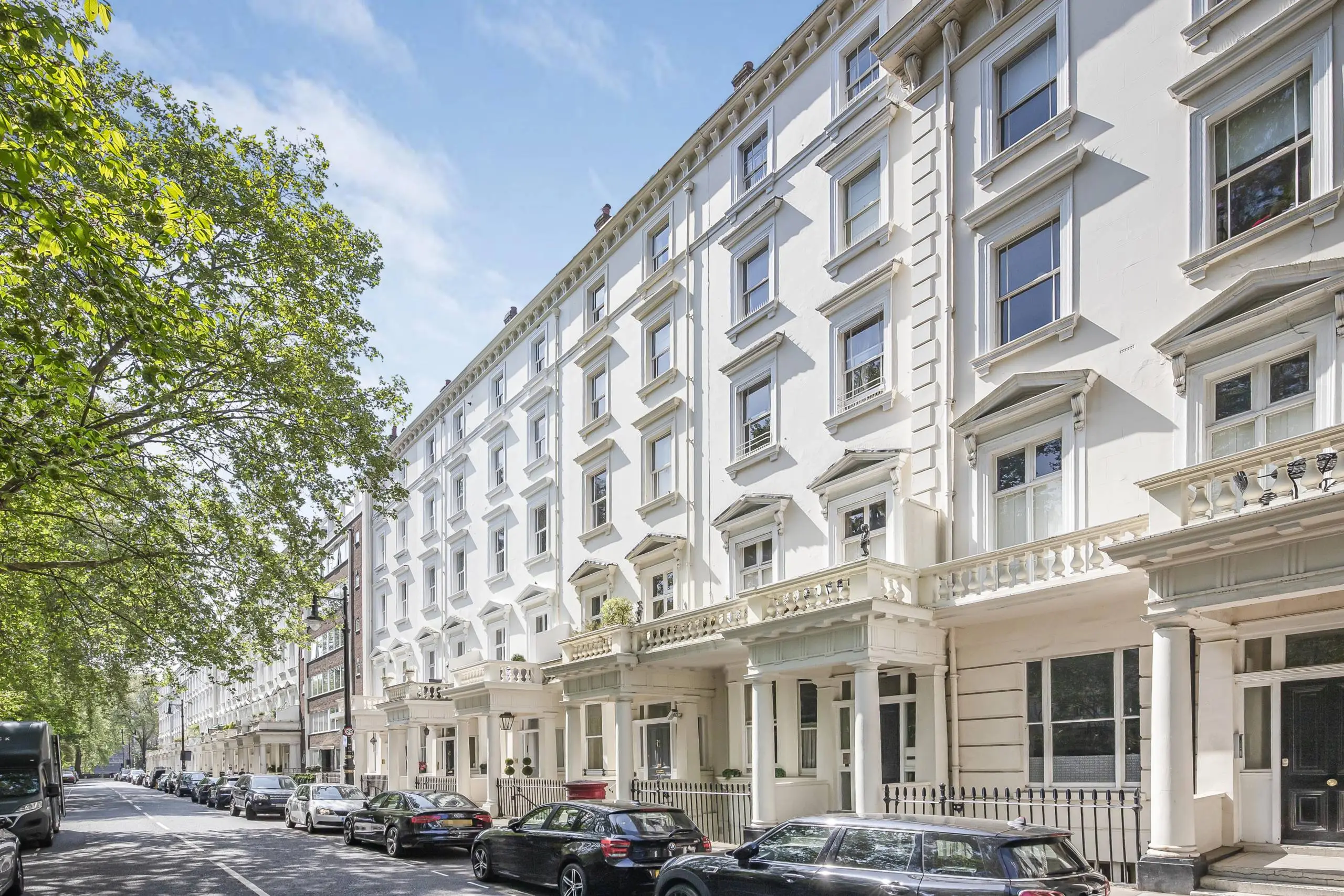
The result is an unusually coherent streetscape. Stucco frontages, porticos, wrought iron balconies, tall sash windows and garden squares give Pimlico a visual identity that remains remarkably distinctive today.
Much of this historic core now forms the Pimlico Conservation Area, recognised by Westminster City Council for its particular architectural and historic interest.
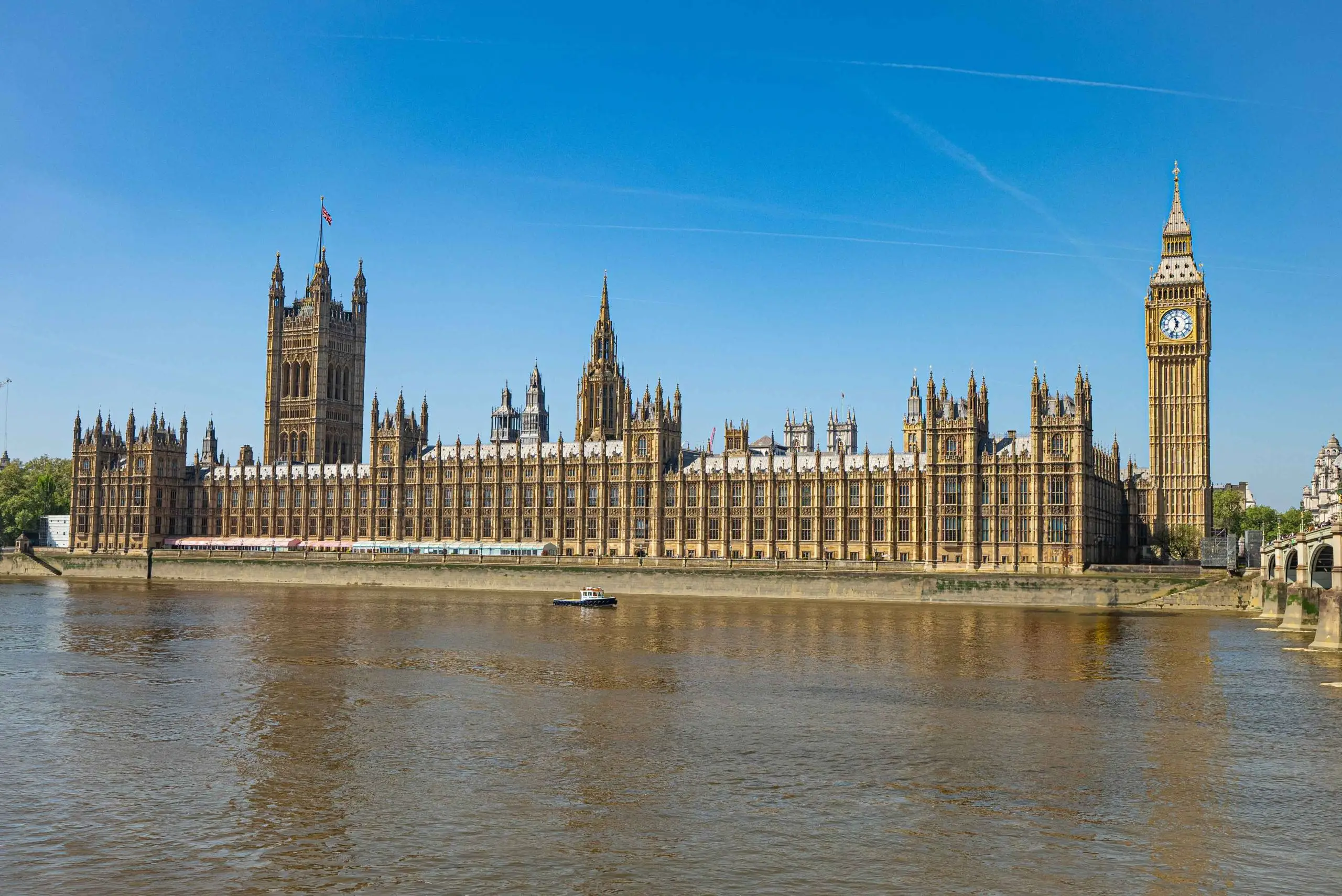
The Different sides of Westminster
One of the most important things to understand about Pimlico is that it is not a single property market.
The Pimlico Grid
For many people, this is quintessential Pimlico.
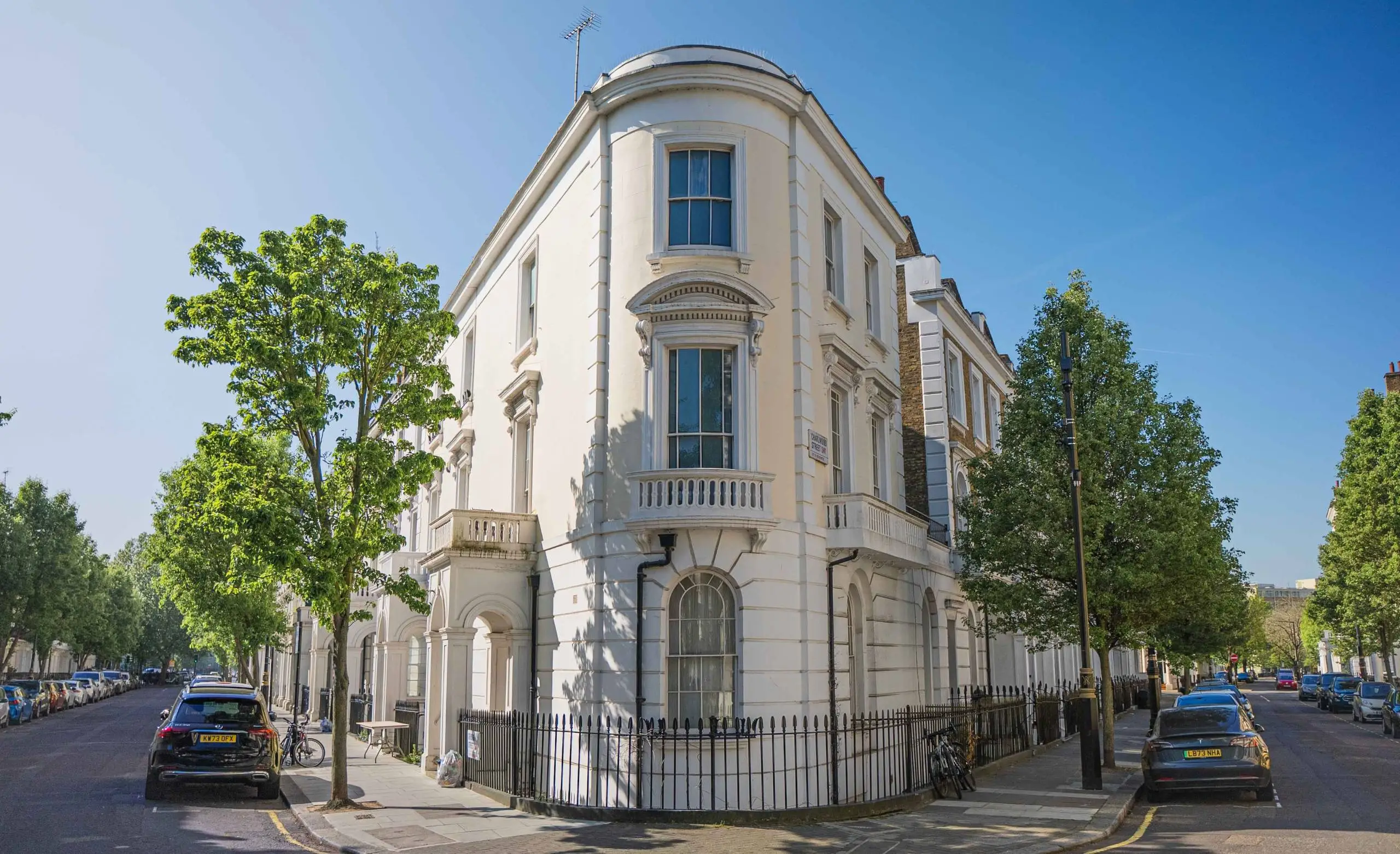
The streets around Moreton Street, Denbigh Street, Cambridge Street, Gloucester Street, Sussex Street and Warwick Way form a remarkably attractive network of predominantly period homes.
This part of Pimlico has a particularly intimate scale. Many of the grander nineteenth century houses have been converted into apartments and maisonettes, creating a varied market of garden flats, lateral apartments and homes arranged over two or more floors.
It is also the part of Pimlico we know particularly well. Tuckerman has been based on Moreton Street for many years, giving us first hand knowledge not simply of individual streets, but often of individual buildings.
St George’s Square and the riverside
Running towards the Thames, St George’s Square provides some of Pimlico’s grandest residential architecture.
The garden square was conceived as part of Cubitt’s original plan, while at its southern end Pimlico Gardens opens directly onto the river. Historic England records the gardens as having formed part of St George’s Square before becoming a public garden, with open views across the Thames.
Properties around the square range from impressive period apartments and maisonettes to substantial houses, with some enjoying direct garden or river outlooks.
Warwick Square and Eccleston Square
These two garden squares give northern Pimlico a particularly elegant character.
Both formed part of Cubitt’s planned development and remain among the neighbourhood’s most desirable residential addresses. Their private communal gardens, handsome terraces and proximity to Victoria make them especially attractive to buyers looking for traditional central London architecture with excellent connections.
Churchill Gardens and the Thames
Pimlico’s architectural story did not end with Cubitt.
Churchill Gardens is one of the most important post war housing developments in London. Designed by Powell and Moya and constructed principally between 1947 and 1962, it combined a variety of apartment buildings with a carefully considered landscaped setting. Its landscape is now Grade II registered by Historic England.
Apartments here offer a very different proposition from the stucco terraces nearby, often with excellent natural light, open outlooks and immediate access to the river.
Lillington Gardens
To the east, Lillington Gardens provides another distinctive architectural chapter.
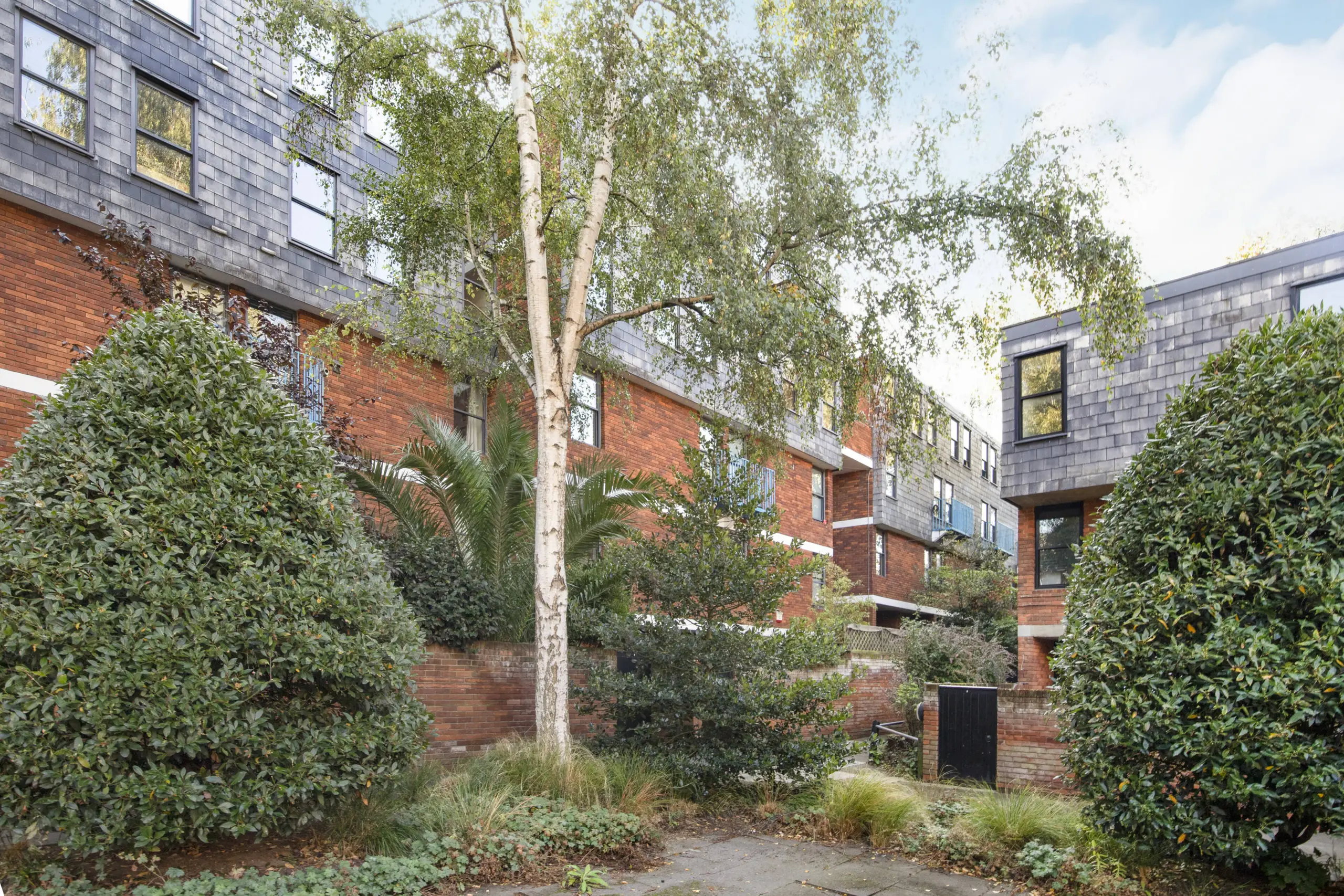
Designed by Darbourne & Darke, its red brick, low rise development responded deliberately to the surrounding Victorian architecture and became an influential example of high density housing design. Parts of the development are now listed.
The result feels entirely different from the traditional Pimlico Grid, yet remains unmistakably part of the neighbourhood.
Eating and drinking in Pimlico
Pimlico’s food scene feels refreshingly local.
On Churton Street, Grumbles has been part of the neighbourhood since 1964. One of London’s longstanding independent restaurants, it remains known for its informal atmosphere and British and French classics.
On Wilton Road, A.Wong has transformed what began as the chef’s parents’ restaurant into one of London’s most celebrated Chinese dining destinations, while retaining its roots in the neighbourhood.
For something less formal, CASK Pub & Kitchen on Charlwood Street has developed a following for its particularly extensive beer selection and relaxed neighbourhood atmosphere.
There are plenty of smaller cafés and independent businesses scattered around Warwick Way, Wilton Road, Churton Street and Tachbrook Street which hosts a daily food market during the week, giving the area a day to day life that can sometimes be missing from more overtly prestigious parts of central London.
A few of our Pimlico favourites
For Easy Classics
Grumbles on Churton Street is a longstanding neighbourhood favourite.
For Something Special
Cacio&Pepe on Churton Street offers exceptional Italian cooking in a comfortable environment.
For a drink
CASK Pub & Kitchen on Charlwood Street.
Art, architecture and green space
Pimlico benefits from an unusually strong combination of culture and open space.
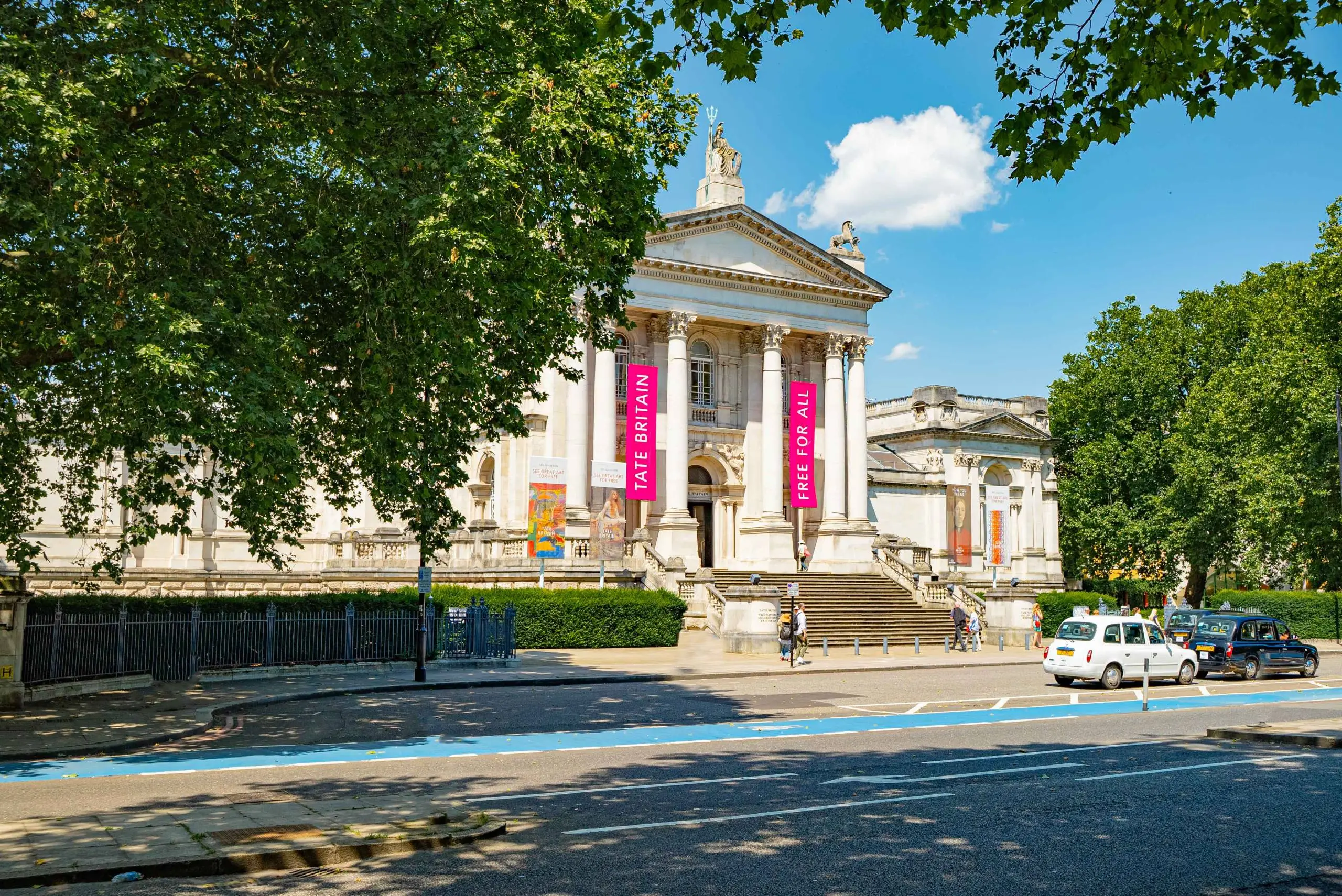
Tate Britain sits on Millbank immediately to the east of Pimlico and houses the national collection of British art. Pimlico is its closest Underground station.
Along the Thames, Pimlico Gardens provides a small but particularly attractive riverside green space, while St George’s Square, Warwick Square and Eccleston Square preserve the garden square tradition at the heart of Cubitt’s original design.
Residents are also within easy reach of Battersea Park across the river, St James’s Park towards Westminster and the wider green spaces surrounding Buckingham Palace.
Our view
Pimlico’s appeal is easy to underestimate.
It doesn't have the international profile of neighbouring Belgravia, yet that is partly what makes it so attractive. Behind its elegant architecture is a genuine residential neighbourhood, with familiar shops, independent restaurants, local markets and streets that remain remarkably peaceful for such a central location.
It also offers exceptional variety. A garden flat on Cambridge Street, a grand apartment overlooking St George’s Square and a riverside home at Churchill Gardens are very different properties, despite being only minutes apart.
For us, that variety is particularly familiar. Pimlico is our home market, and Moreton Street is our home within it.
Looking for a home in Pimlico?
Whether you are looking to buy or rent in Pimlico, or would like advice on selling, letting or managing a property here, our team would be pleased to help.
With our office in the heart of the neighbourhood, we can provide informed advice on individual streets, buildings and the wider Pimlico market.
Recently added properties