Historic London with a distinctly modern side.
Victoria
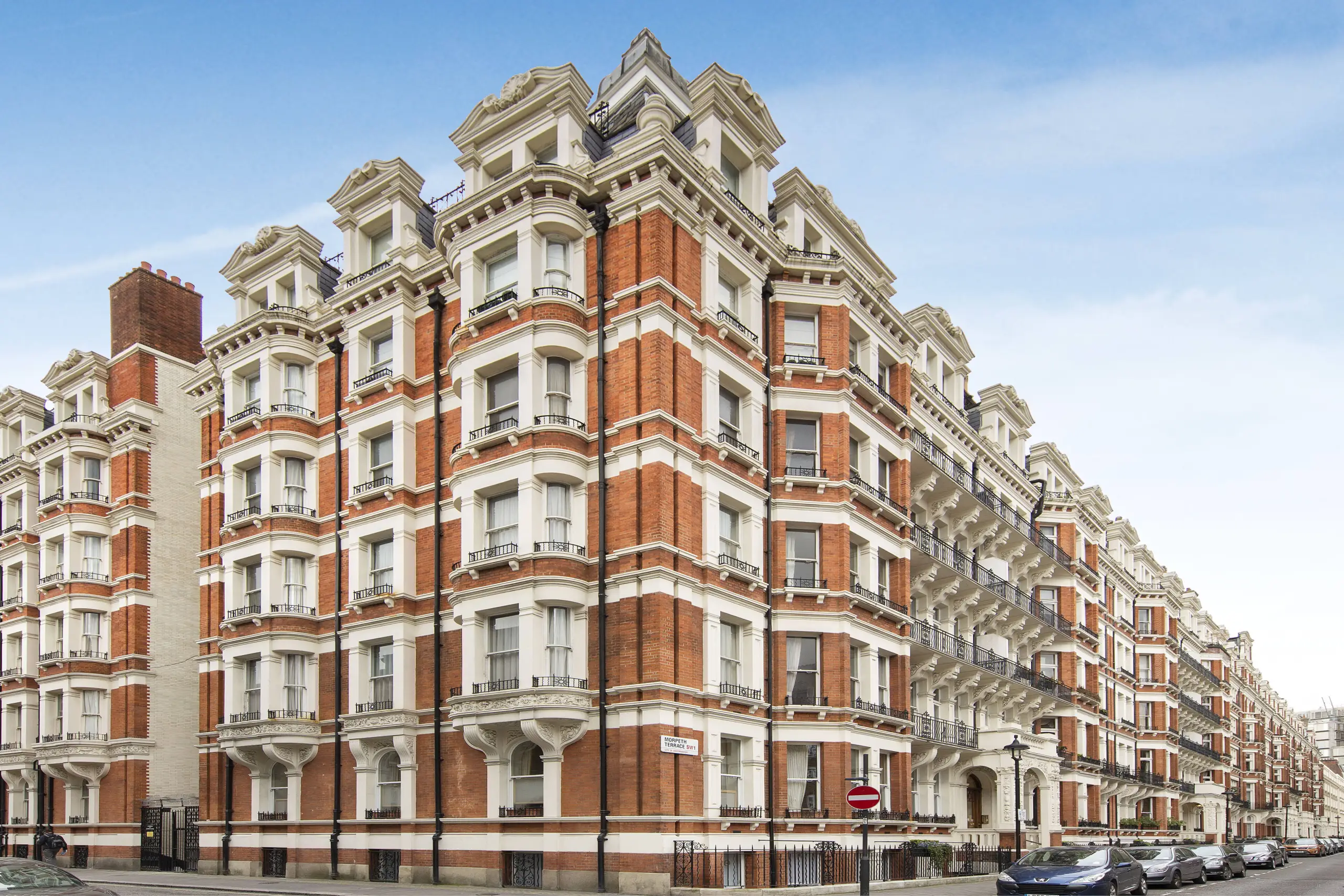
Victoria has changed enormously over the past decade. Once thought of primarily as one of London’s busiest transport hubs, it has developed into a residential, commercial and cultural destination in its own right, combining handsome period architecture with contemporary apartments, restaurants, theatres and new public spaces.
Buckingham Palace, St James’s Park, Westminster and Belgravia are all within easy walking distance, while Victoria Station provides some of the best transport connections in central London.
At a Glance
For those looking for convenience without giving up character, Victoria offers an unusually broad choice of homes.
Architecture
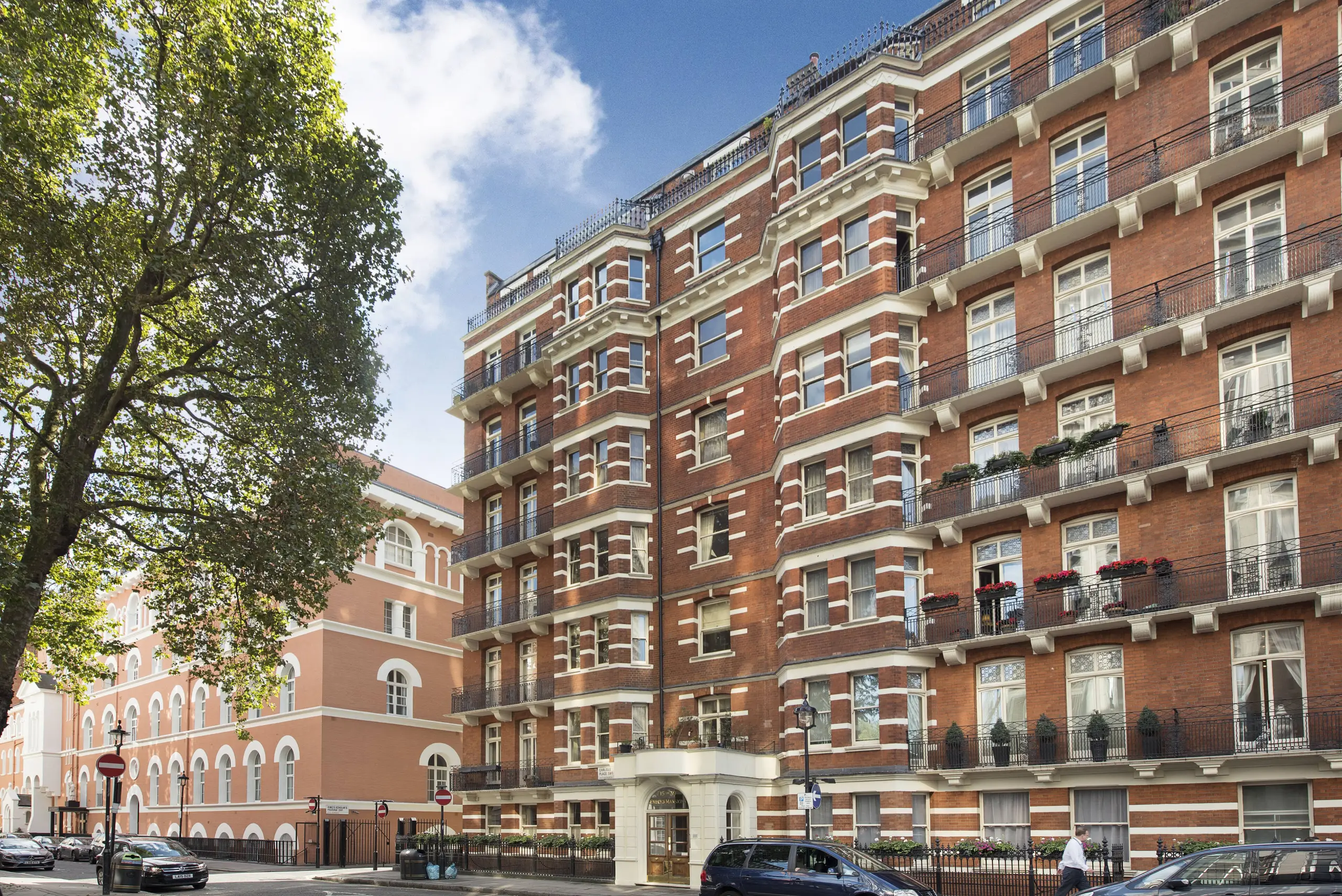
Victorian mansion blocks, stucco terraces, period conversions and striking contemporary developments.
Lifestyle
Exceptionally convenient, with restaurants, theatres, shops and some of London’s best known green spaces close by.
Property
From traditional mansion apartments and period homes to modern concierge developments and landmark new residences.
At the heart of London
Westminster’s history is difficult to separate from that of London itself.
Westminster Abbey traces its origins to the tenth century and has served as the coronation church since 1066. Around it, Parliament Square, Whitehall and the Palace of Westminster have developed into one of the most recognisable civic landscapes in the world.
Yet much of Westminster's appeal as a place to live lies away from the landmarks.
Streets around Smith Square, Vincent Square, Great Peter Street and Old Westminster contain some of central London’s most attractive residential architecture. Westminster City Council identifies numerous distinct conservation areas locally, including Westminster Abbey and Parliament Square, Smith Square, Vincent Square, Millbank and Westminster Cathedral, reflecting just how varied the area's historic character is.

Different sides of Victoria
Unlike neighbouring Pimlico and Belgravia, which were largely created as planned residential neighbourhoods, Victoria evolved more gradually. Victoria Street itself was created following nineteenth century improvements to Westminster, while the arrival of Victoria Station in 1860 fundamentally changed the character of the area. Westminster’s current Victoria Neighbourhood Plan records that the district developed organically over centuries, with Victorian and early twentieth century buildings later joined by substantial post war redevelopment.
Grosvenor Gardens and Victoria Square
This is perhaps Victoria at its most elegant. The grand terraces surrounding Grosvenor Gardens provide some of the area's most imposing period architecture, while nearby Victoria Square has a quieter and more residential character.
The two Grosvenor Gardens themselves provide valuable green space immediately beside the station, with mature trees, lawns and formal planting. Properties here tend to appeal to buyers and tenants who want period architecture together with immediate access to Victoria, Belgravia and Buckingham Palace.
Wilton Road, Gillingham Street and the Pimlico edge
South of the station, Victoria begins to blend naturally into Pimlico. Streets including Gillingham Street, Wilton Road, Vauxhall Bridge Road and Carlisle Place contain a mixture of period conversions, mansion flats and purpose built apartment buildings.
This part of the market can offer a particularly interesting balance between the convenience of Victoria and the more residential atmosphere of Pimlico.
Nova and contemporary Victoria
The regeneration around Victoria Station has introduced a substantial amount of contemporary architecture. Nova Victoria created a new mixed use quarter opposite the station, combining offices, restaurants, retail space and residential apartments. The wider development included 170 homes as part of a major redevelopment of the area.
The Nova Building itself provides the kind of amenities increasingly associated with prime central London developments, including concierge services, residents' facilities and landscaped spaces.
St James's Park and The Broadway
Towards the eastern side of Victoria, the neighbourhood begins to meet Westminster and St James's Park. The Broadway has introduced six contemporary towers containing apartments, commercial space, restaurants and lifestyle amenities immediately beside St James's Park station. Its residences range from one to five bedrooms, with many positioned on the upper floors to take advantage of views across central London.
Although it sits at the edge of what many people would call Victoria, it has become an important part of the wider SW1 residential market.

Eating and drinking locally
One of the most noticeable changes in Victoria has been the growth of its restaurant scene.
Rail House Victoria, at Sir Simon Milton Square, offers all day dining with a large terrace and has become an established part of the Nova quarter.
On Gillingham Street, TOZI serves Venetian inspired cicchetti and Italian dishes in a more intimate setting close to the station.
For something more informal, Market Halls Victoria occupies a restored Edwardian building on Victoria Street, with multiple kitchens, bars and a rooftop terrace.
A short walk towards Belgravia brings you to The Goring, which has been part of this corner of SW1 since 1910 and offers its Dining Room, cocktail bar and private garden.
A few of our Westminster favourites
For breakfast
TOZI on Gillingham Street
For dinner
The Goring, moments from the station.
For a drink
Rail House Victoria.
Green space and culture
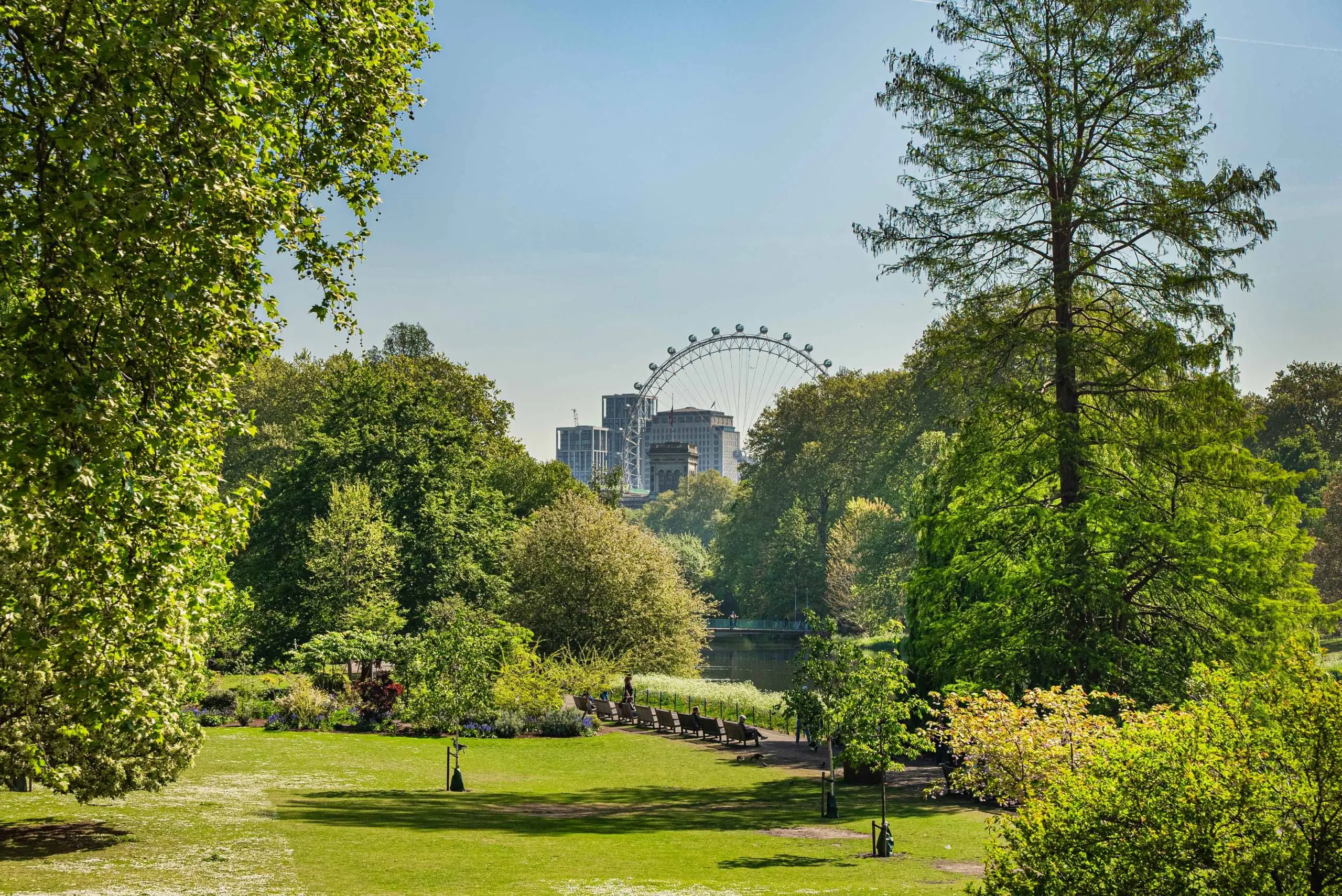
Westminster may be intensely urban, but green space is never far away.
St James's Park provides one of London's great landscapes within walking distance, bordered by Buckingham Palace, The Mall and Horse Guards Parade.
Closer to the Thames, Victoria Tower Gardens offers a much quieter riverside setting beside the Palace of Westminster.
Culture is equally accessible. Westminster Abbey sits at the historic heart of the neighbourhood, while Tate Britain lies along Millbank and Sinfonia Smith Square provides classical music in one of the area's most distinctive buildings.
Our view
Victoria is sometimes still thought of primarily as a station, but that increasingly overlooks what the surrounding area has become. Its strength lies in variety.
Period terraces and mansion flats sit only minutes from highly serviced modern developments. Traditional London hotels and theatres now share the neighbourhood with new restaurants, retail and contemporary public spaces.
It is also exceptionally well positioned. Few areas offer such straightforward access to Westminster, Belgravia, Pimlico and St James's while retaining such a broad choice of property.
Because Victoria sits at the meeting point of several very different central London markets, values can change noticeably from one street or building to the next.
That makes understanding the individual property every bit as important as understanding the postcode.
Looking for a home in Victoria?
Whether you are looking to buy or rent in Victoria, or would like advice on selling, letting or managing a property here, our team would be pleased to help.
With decades of experience across SW1, we can provide informed advice on individual streets, developments and the wider Victoria market.
Recently added properties